Tattoo Portfolio

Blvck Rose Tattoo | Hudson, MA
ThuFriSatSun | 10am - 6pm*
100% Human-Made Art & Design

Awards


Atlas Suites

2022


Echo Center

2021


Brightline House

2020


Northgrid Park

2019

Get in Touch

  • Illustrative Realism

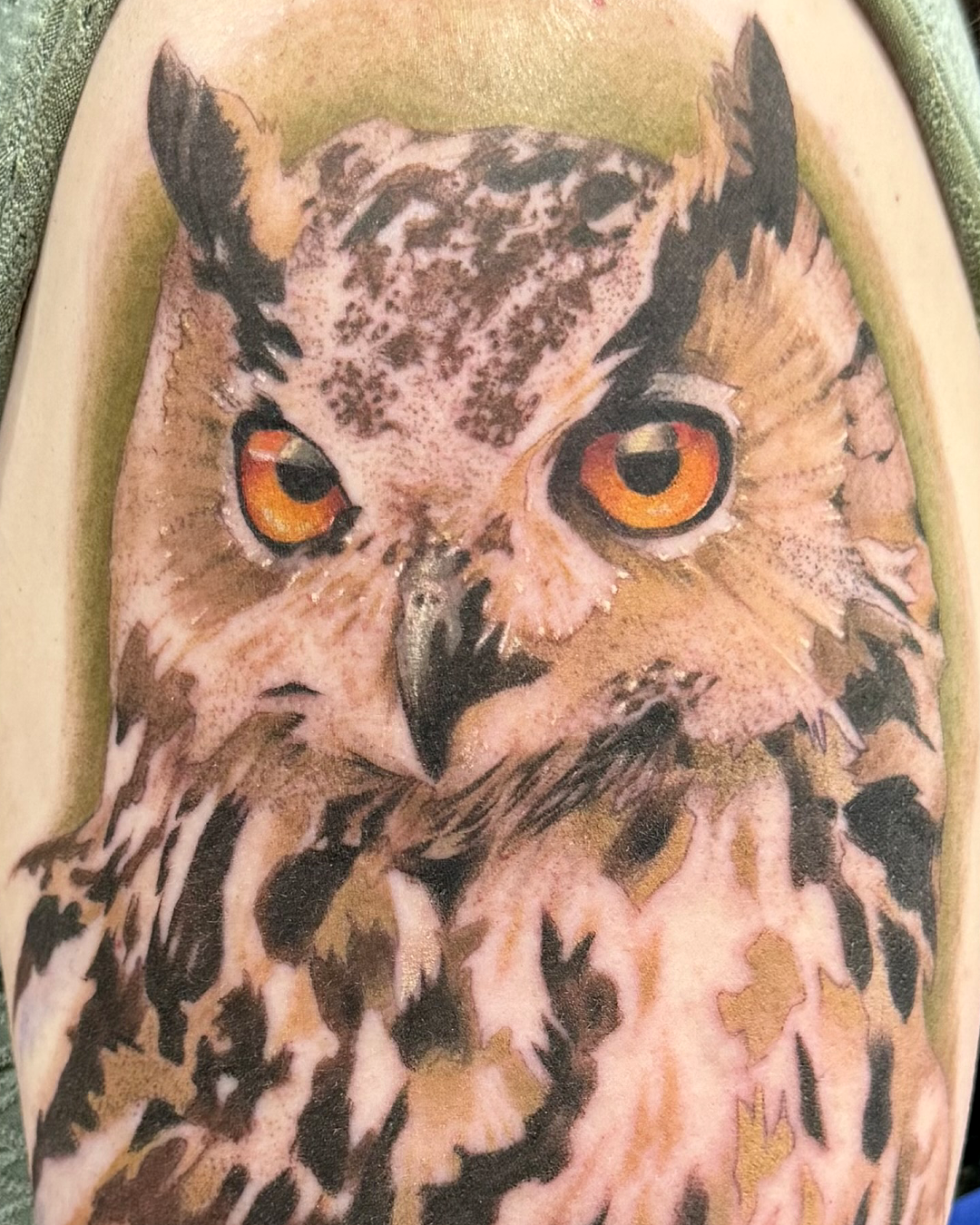
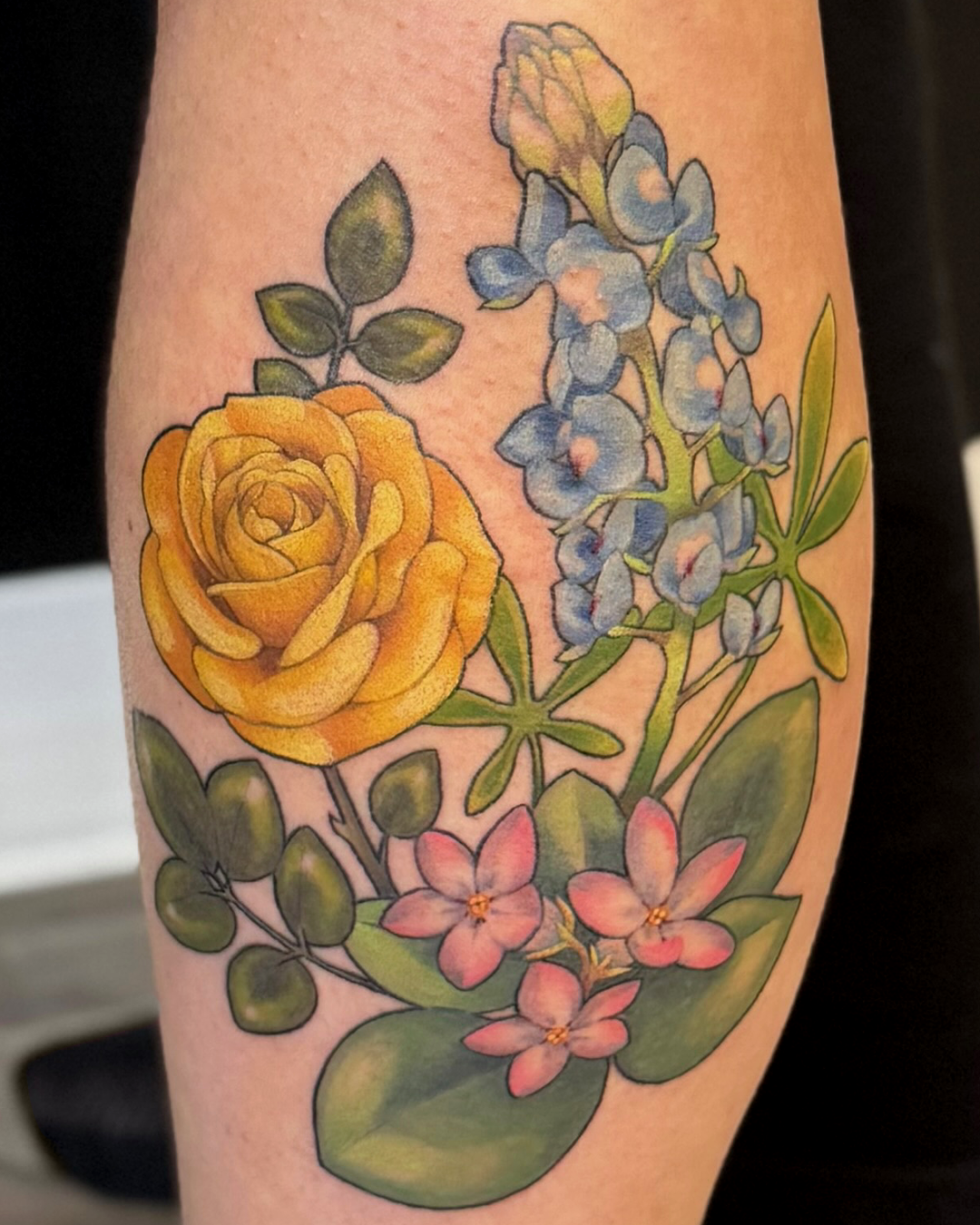
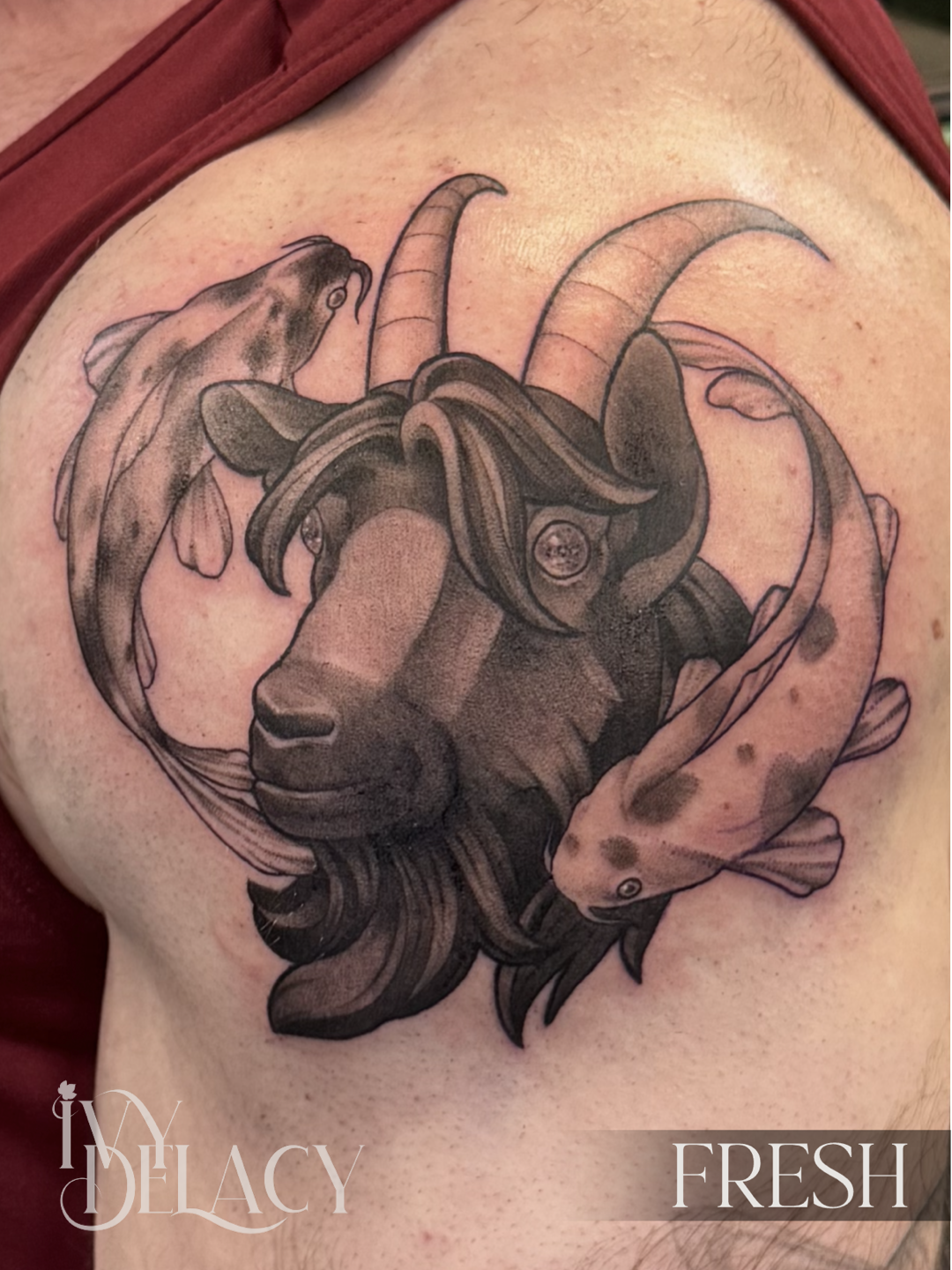
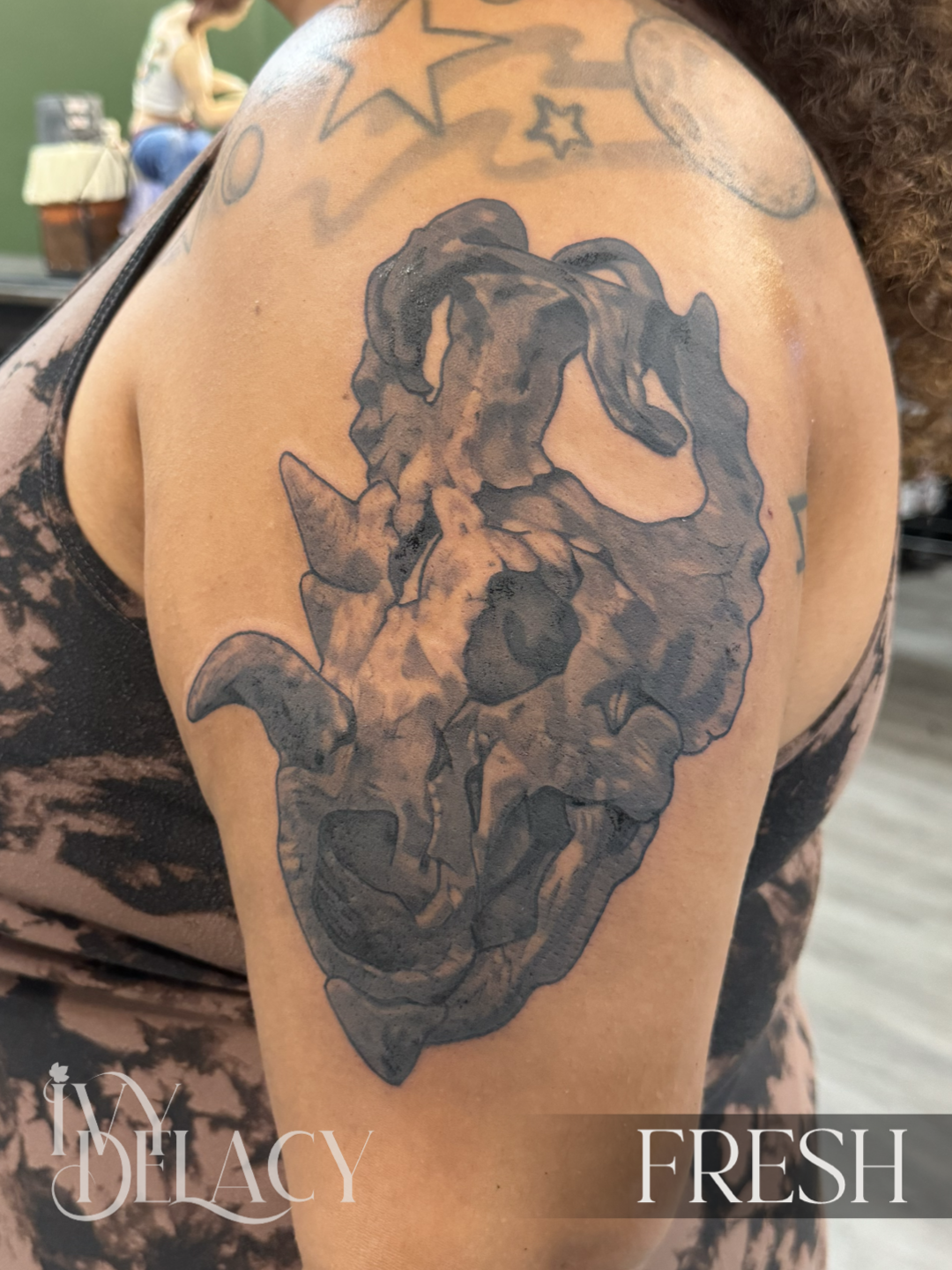
    Unlike with American Traditional, there isn’t a clear and universally accepted ruleset that defines this style. The easiest way to convey how I approach it is that realism looks like a photo; illustrative realism looks like a painting.

    I incorporate fine linework into these pieces for structure and longevity, primarily to lock off edges and define occluded spaces. Can you see the fine linework in the example image?

  • Fine Line

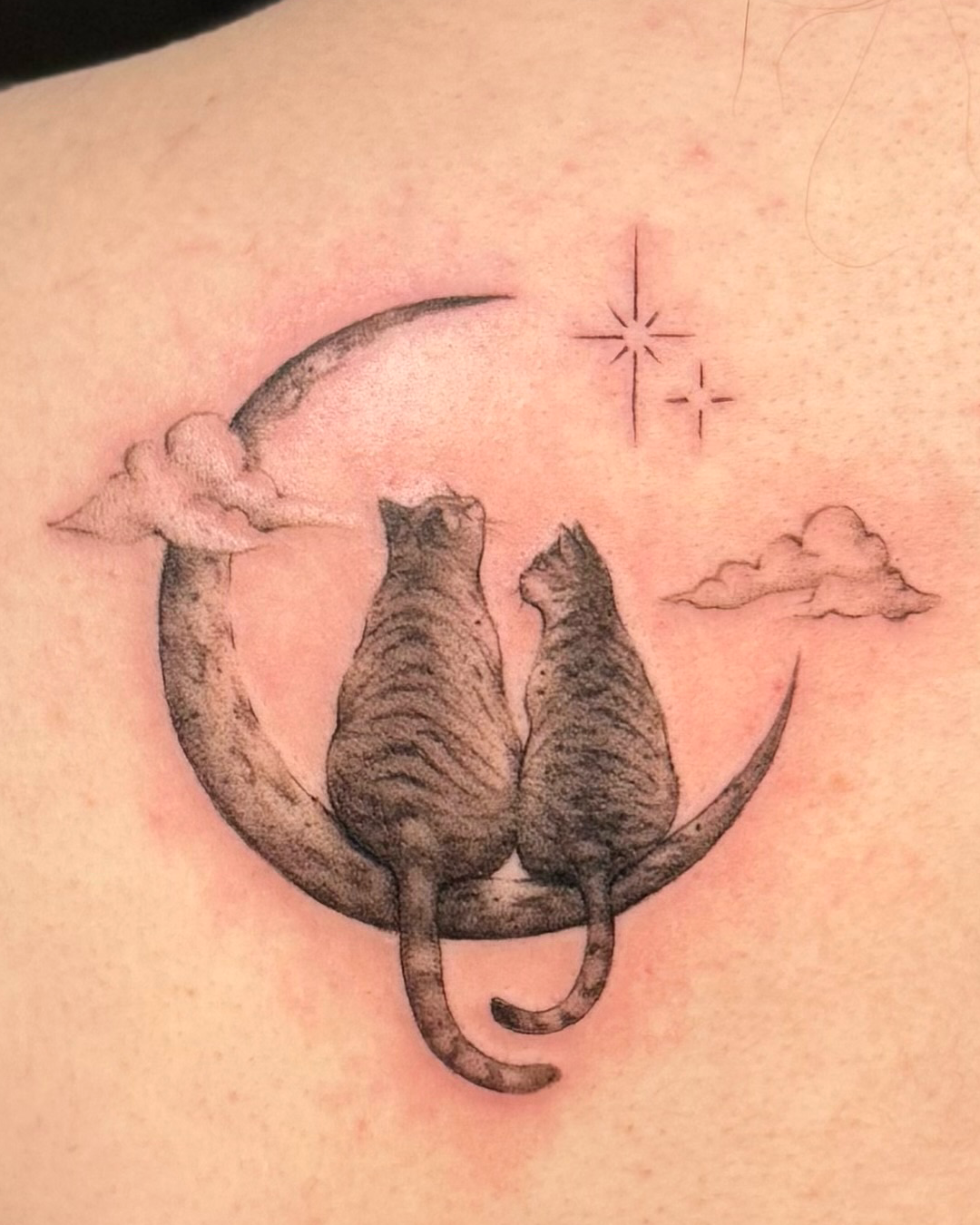
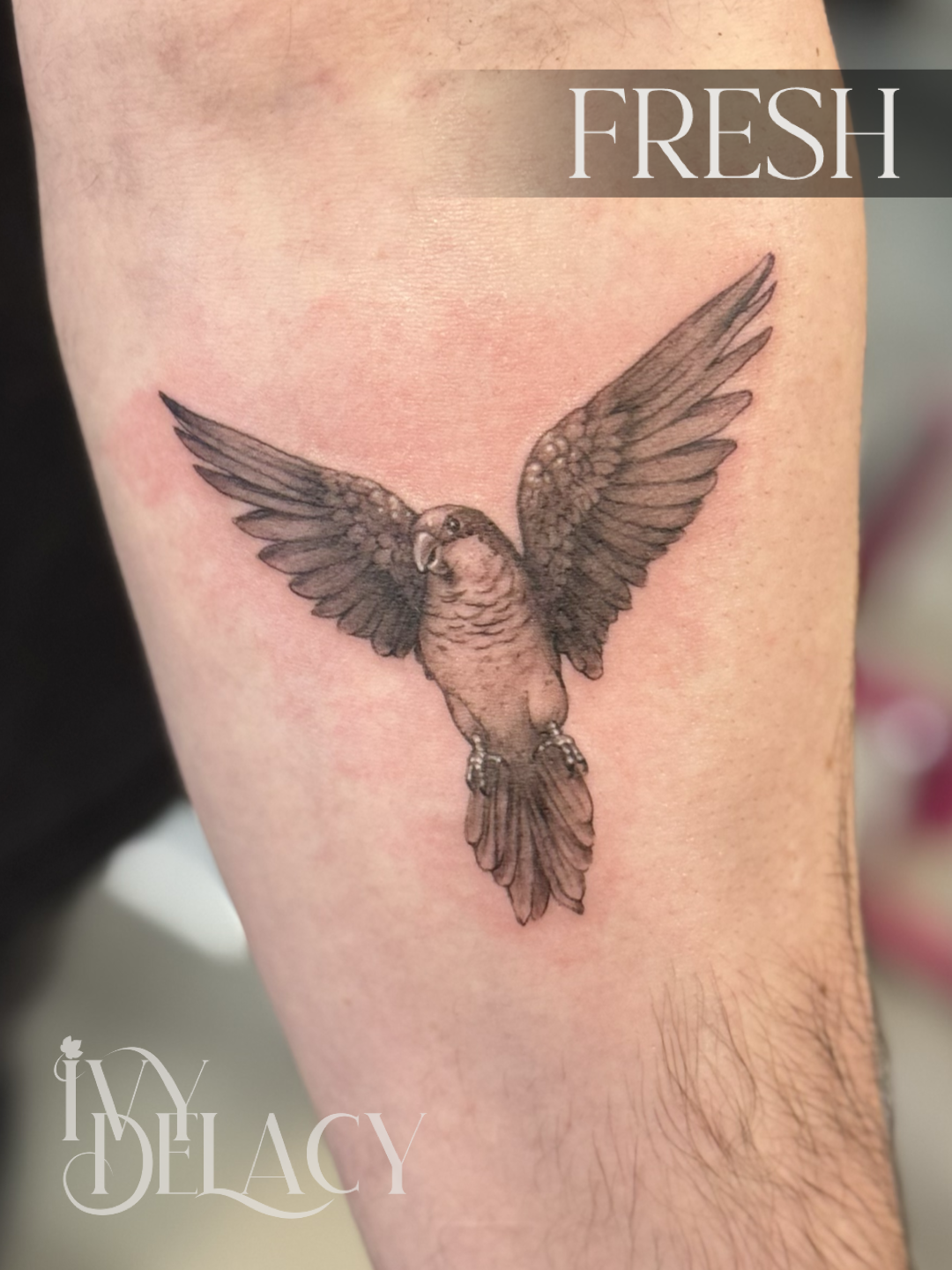
    Fine line uses thin liners for small or delicate-looking work. It can be linework only, but it can also contain shading and/or color. Most fine line work I do is in black and grey for longevity. Fine line pieces are generally on the smaller side, though you can do larger projects in this style.

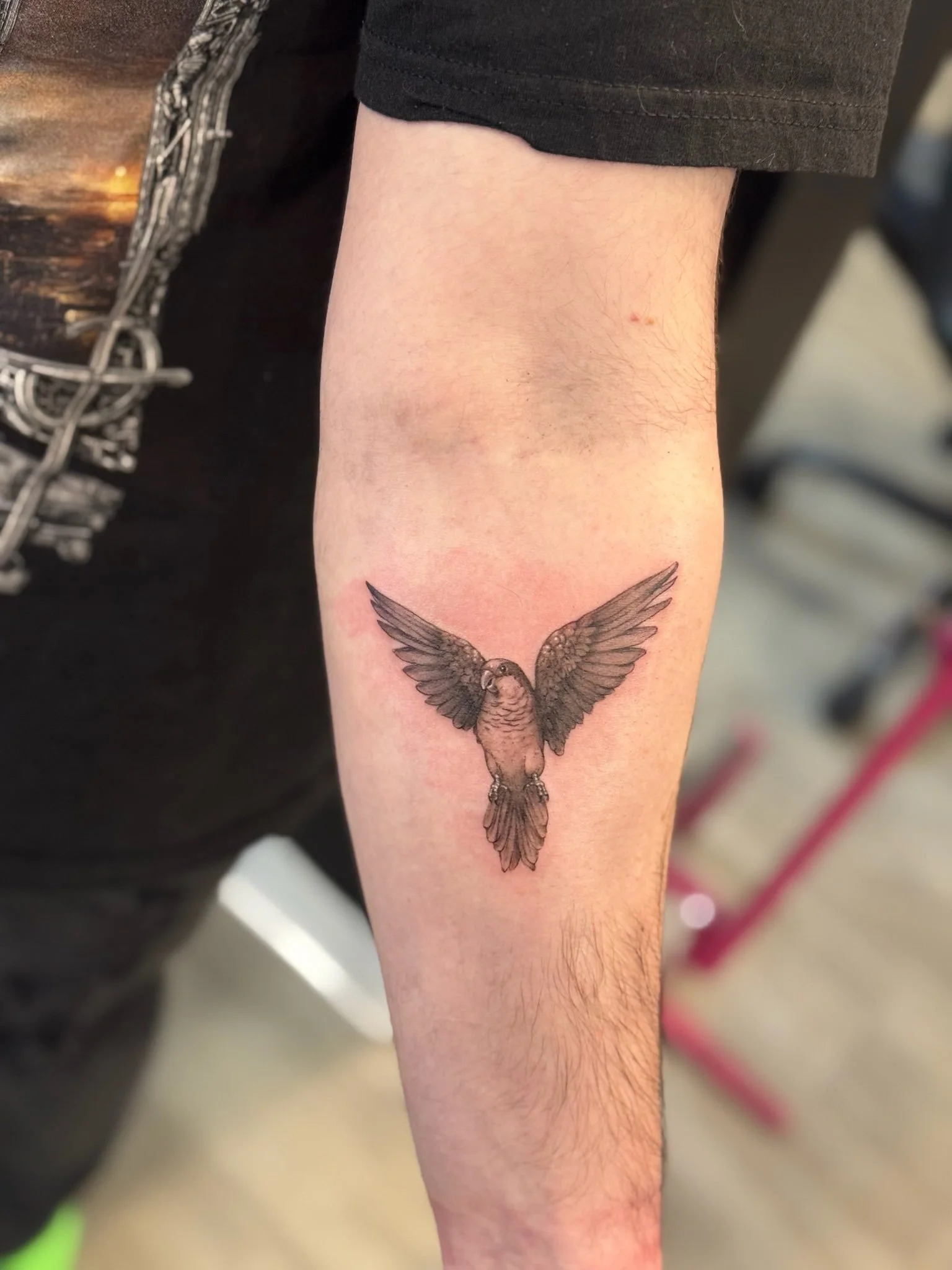
    I consider anything done with a 3RL or smaller to be fine line. For context, the reference image is about 4 inches tall.

  • Neotraditional

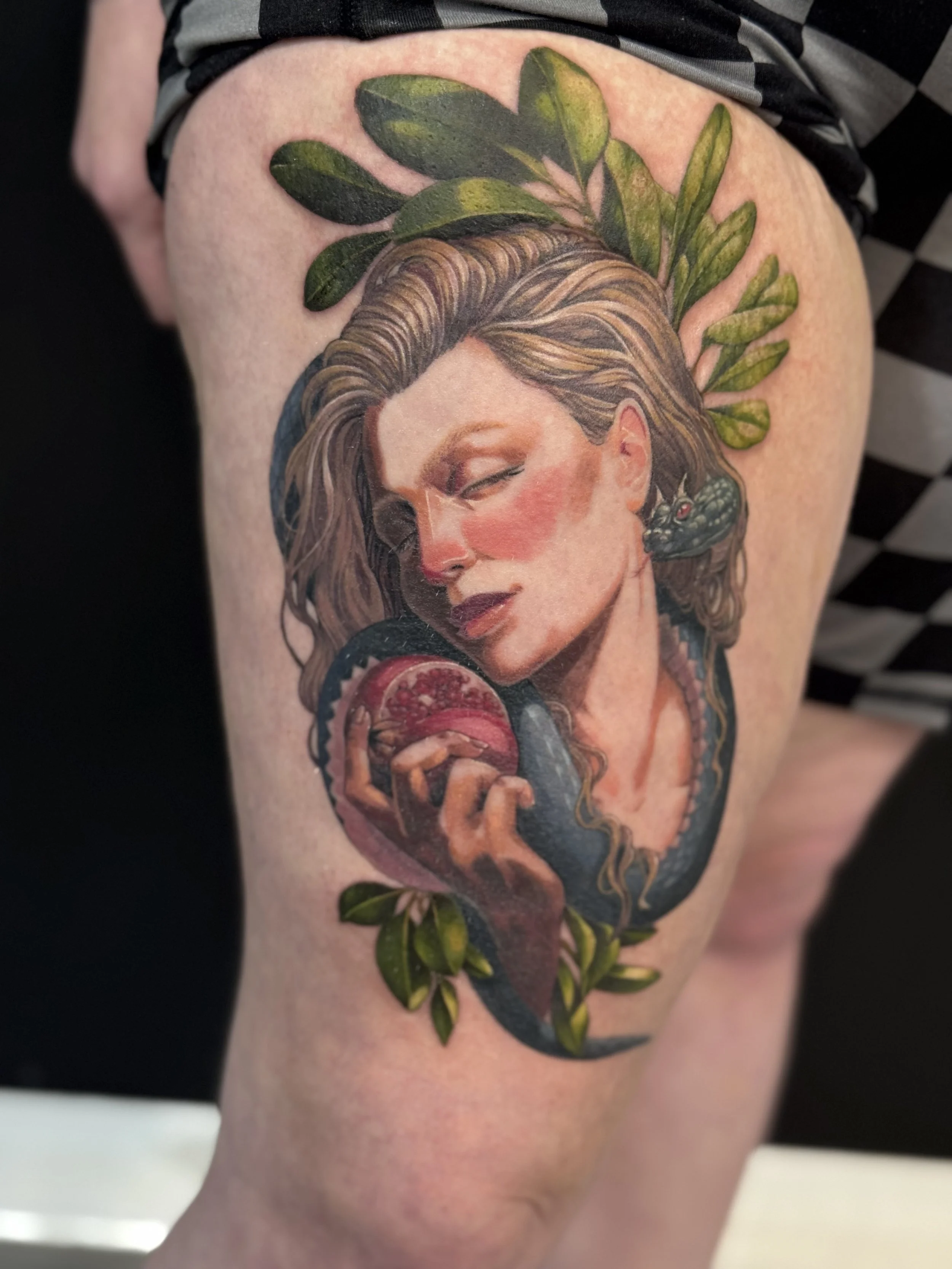
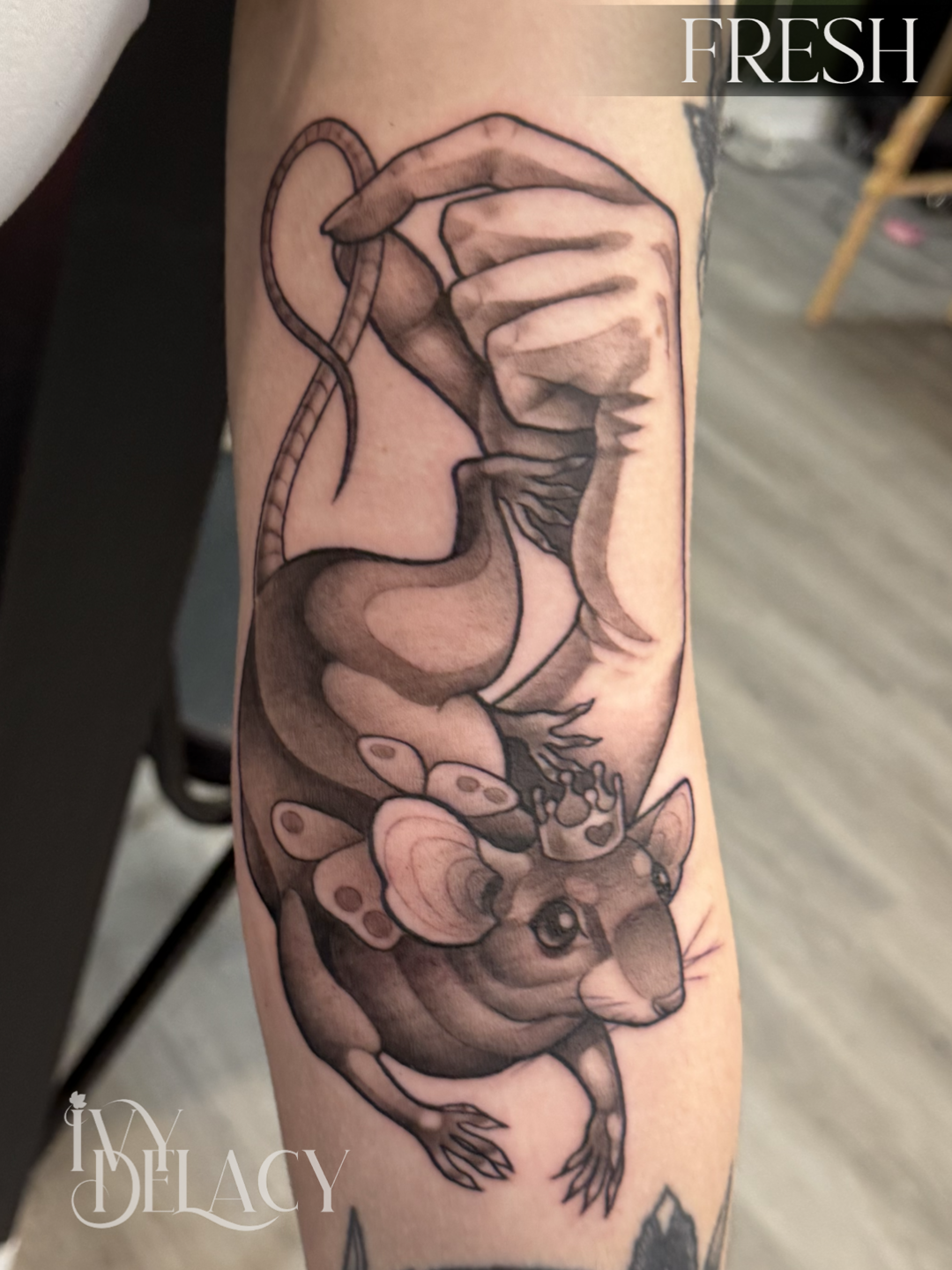
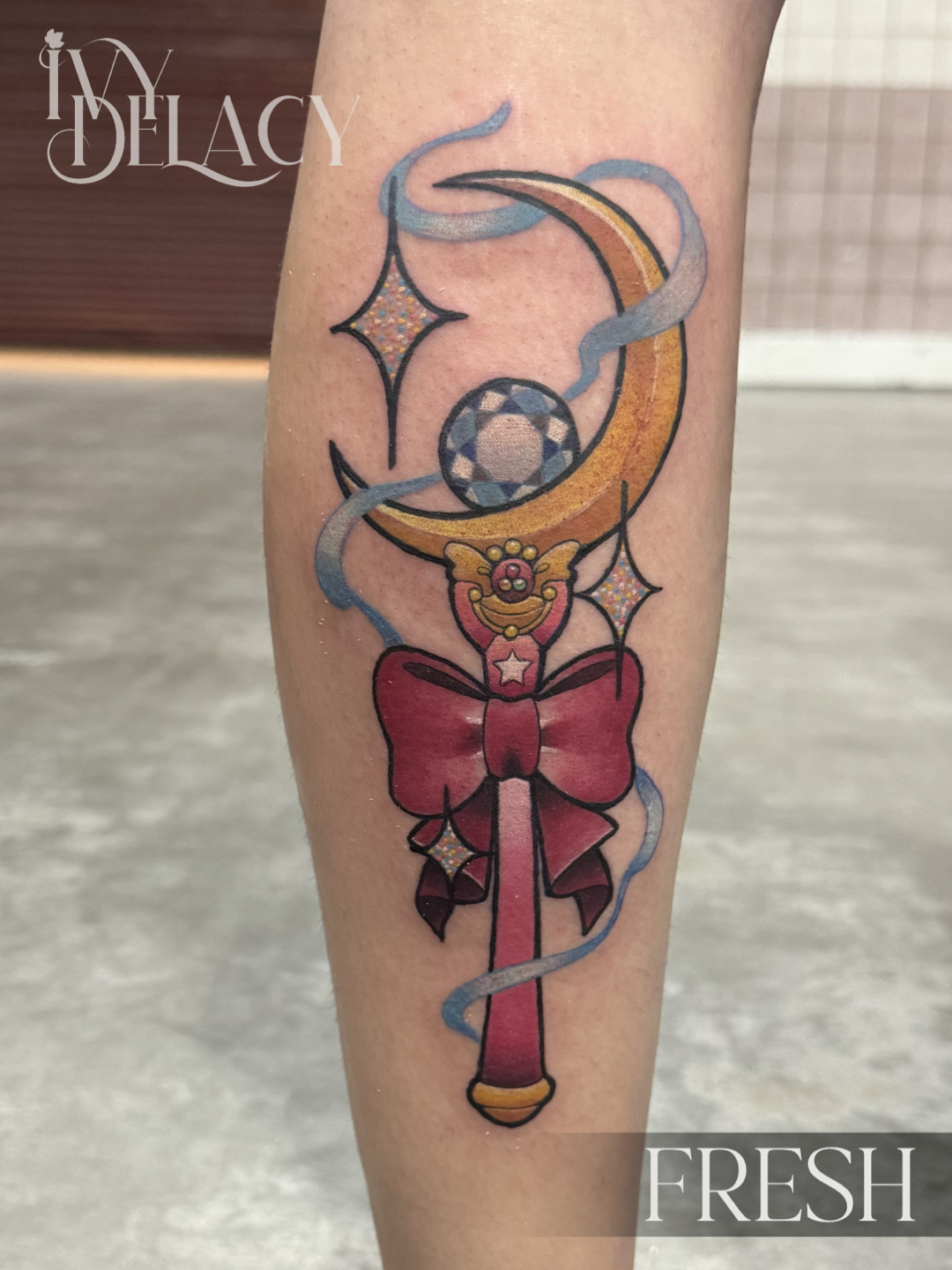
    Neotraditional pairs detailed, illustrative forms with straightforward shading and color work. It emphasizes form first; and supportive fine linework is often used to reinforce shapes and create depth.

    Neotraditional pieces often feature limited color palettes, smooth gradients, and full saturation.

  • Scrimshaw

    ‘Scrimshaw’ is a historical art term referring to engravings or carvings done on whale bone or ivory.

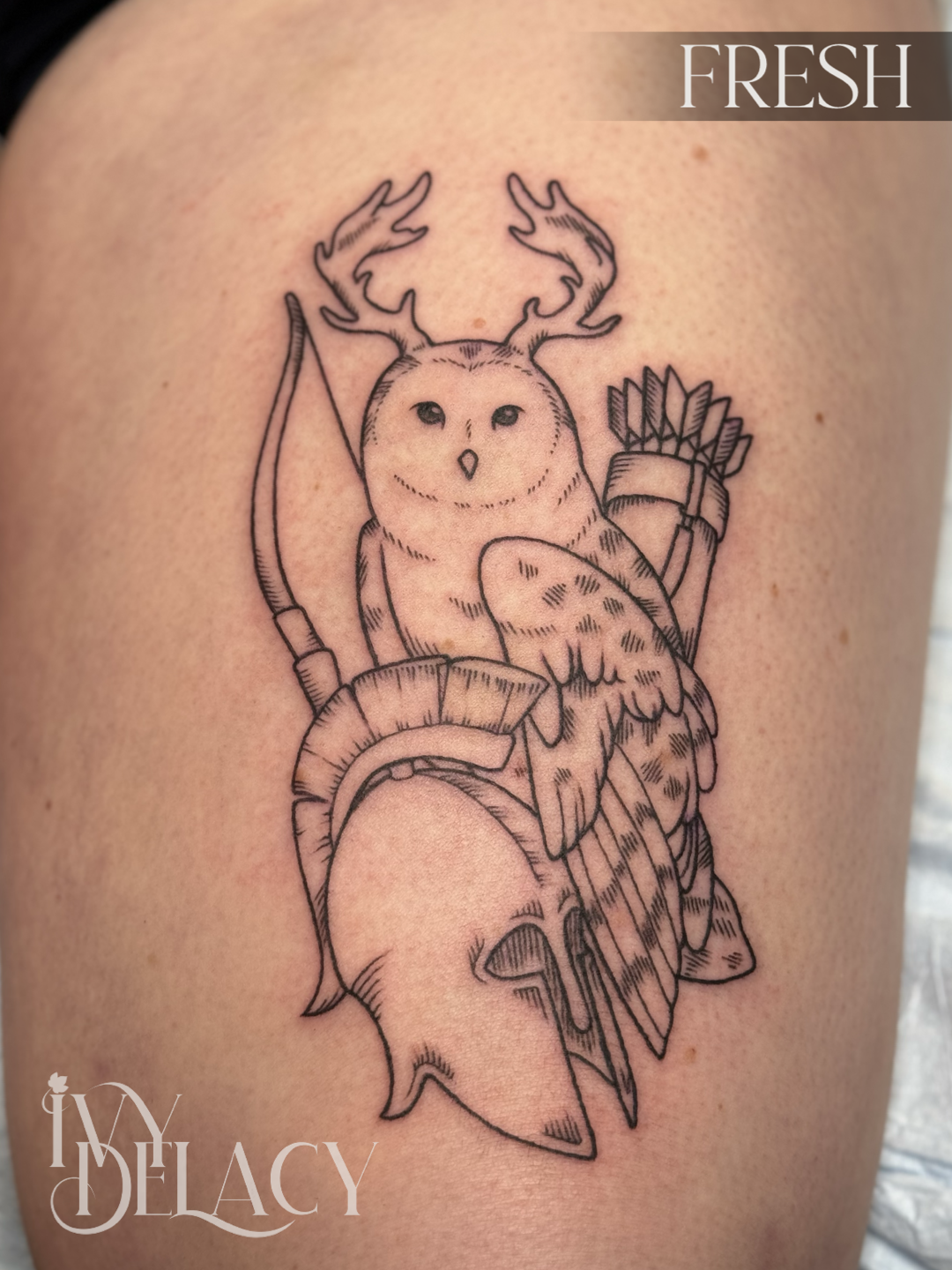
    Similarly, a scrimshaw tattoo style is focused on linework only to depict form, shading, and depth in an image.

    In tattooing, ‘woodcut’ is an alternative term referencing the same style.

  • Ivy's Style

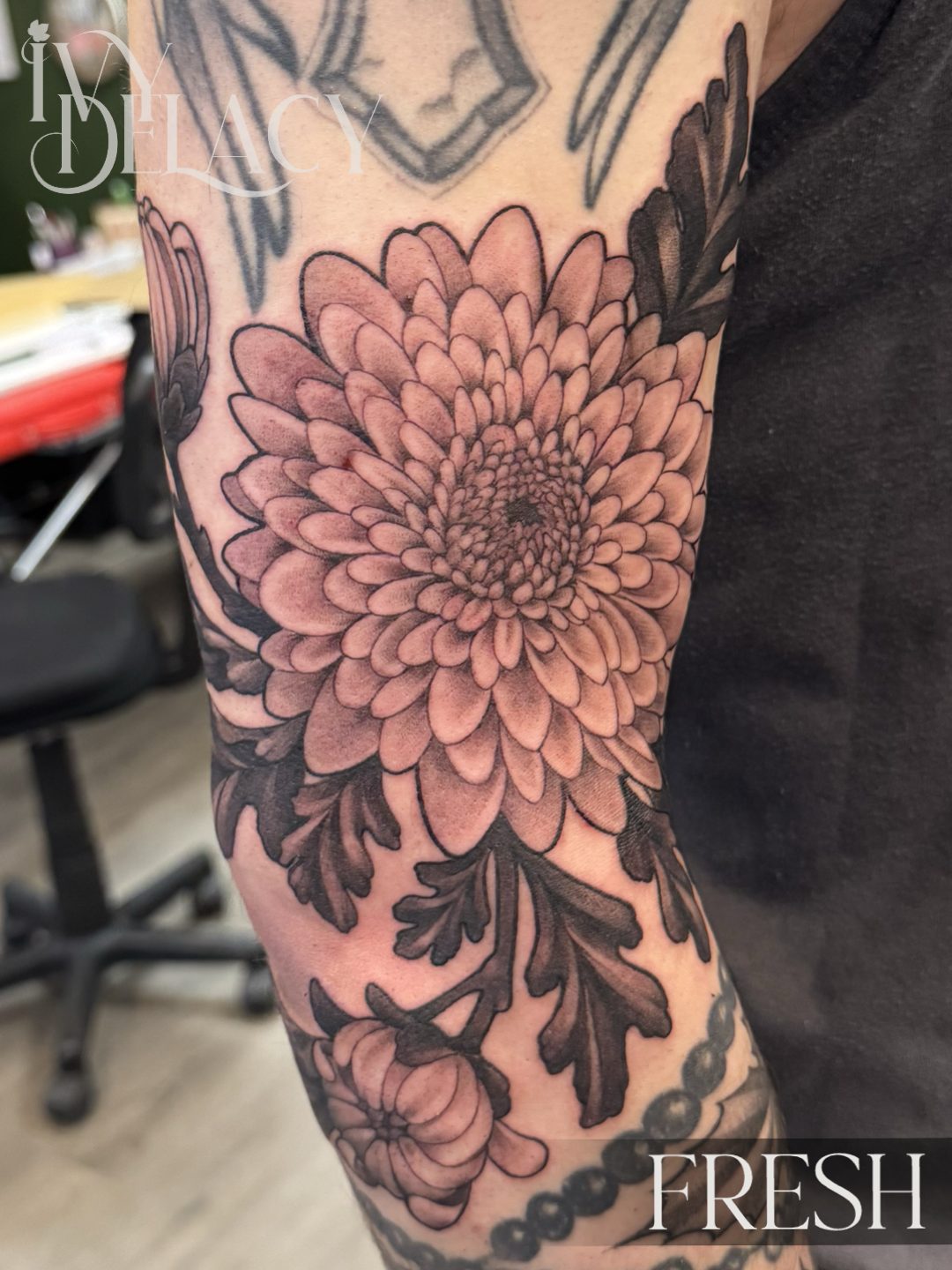
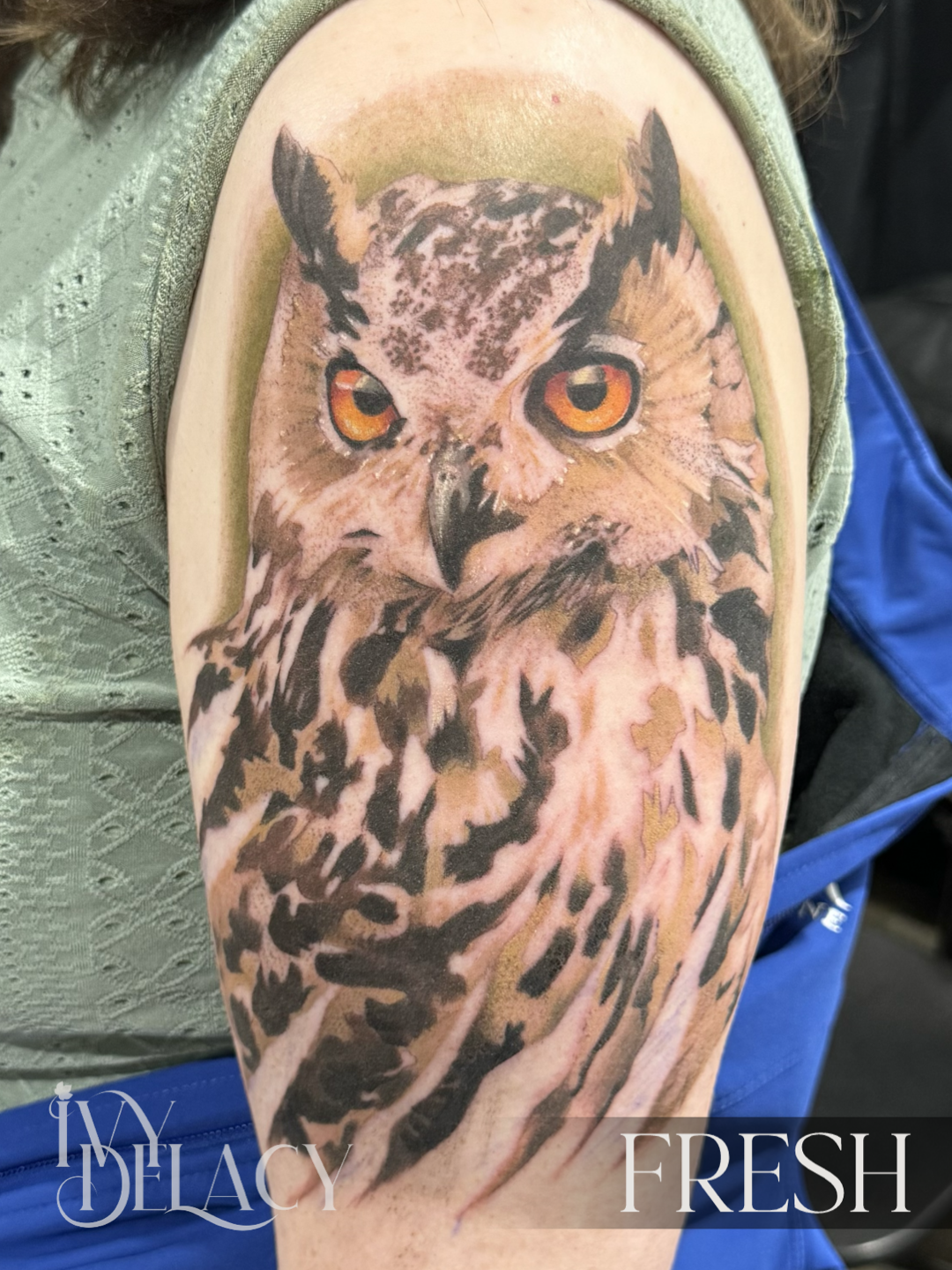
    My personal style falls somewhere between Neotraditional and Illustrative Realism with a dash of Anime.

    I prioritize form first, but enjoy aspects of the more painterly rendering methods, and prefer using a mix of line weights. I also lean more toward the type of hybrid-cel shading found in anime works.

  • Watercolor

    My approach to watercolor is loose and whimsical, like it was painted with a brush.

    Black linework with tapered widths—like ink strokes—provides structure to the form, while the shape and color of watercolor splashes provide context and movement.

    The contrast between the two results in a lovely balance.

  • American Traditional

    American Traditional is a heavily structured style that features bold lines, strong black shading, and only five core colors: red, yellow, green, blue, and brown.

    Though traditional designs may look simple, their simplicity makes it deceptively difficult to draw and balance.

    Bold will hold!

  • Anime

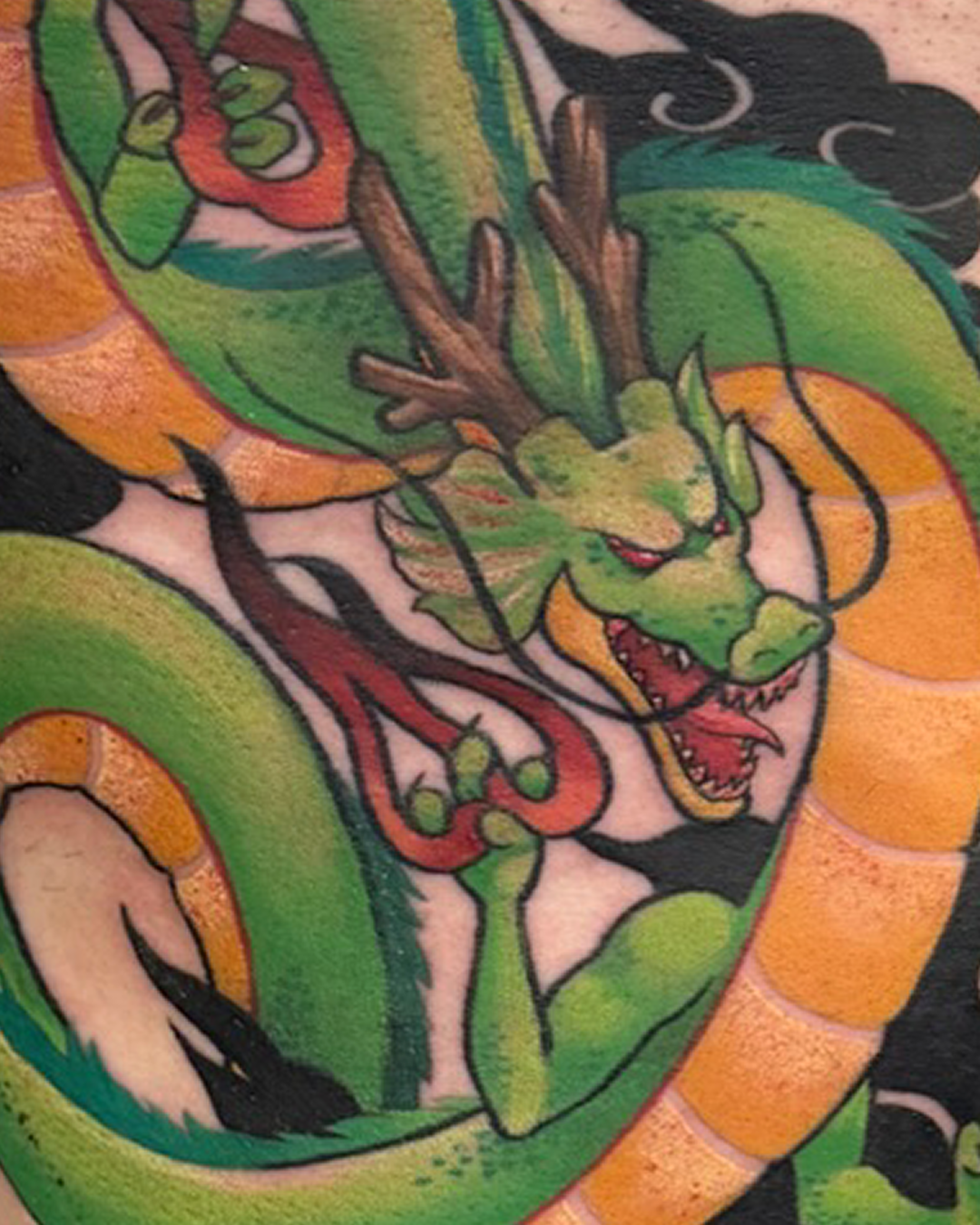
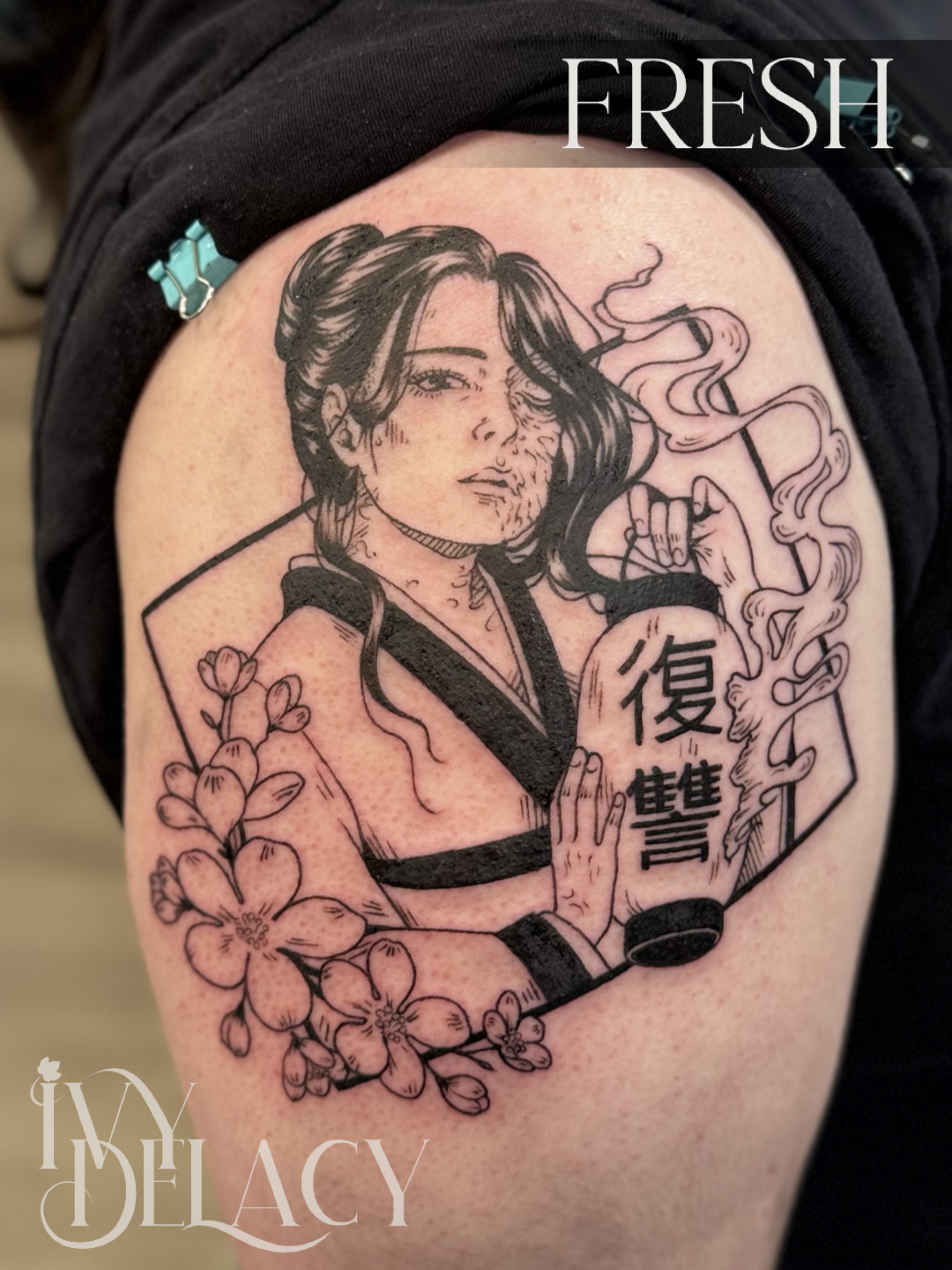
    Most anime tattoos are fandom pieces, which means style aspects shift a bit depending on the source material. Anime tattoos generally take style notes from illustrations (key art or promotional art) created by either the original mangaka or animation studios that developed the property.

    This translates to strong lines with varying line weight and punchy color featuring cel or hybrid shading techniques. Black and grey anime pieces are more typically styled after manga (comic) panels, using only black, scrimshaw, or stippled shading to mimic traditional screentones.

  • Midcentury Modern

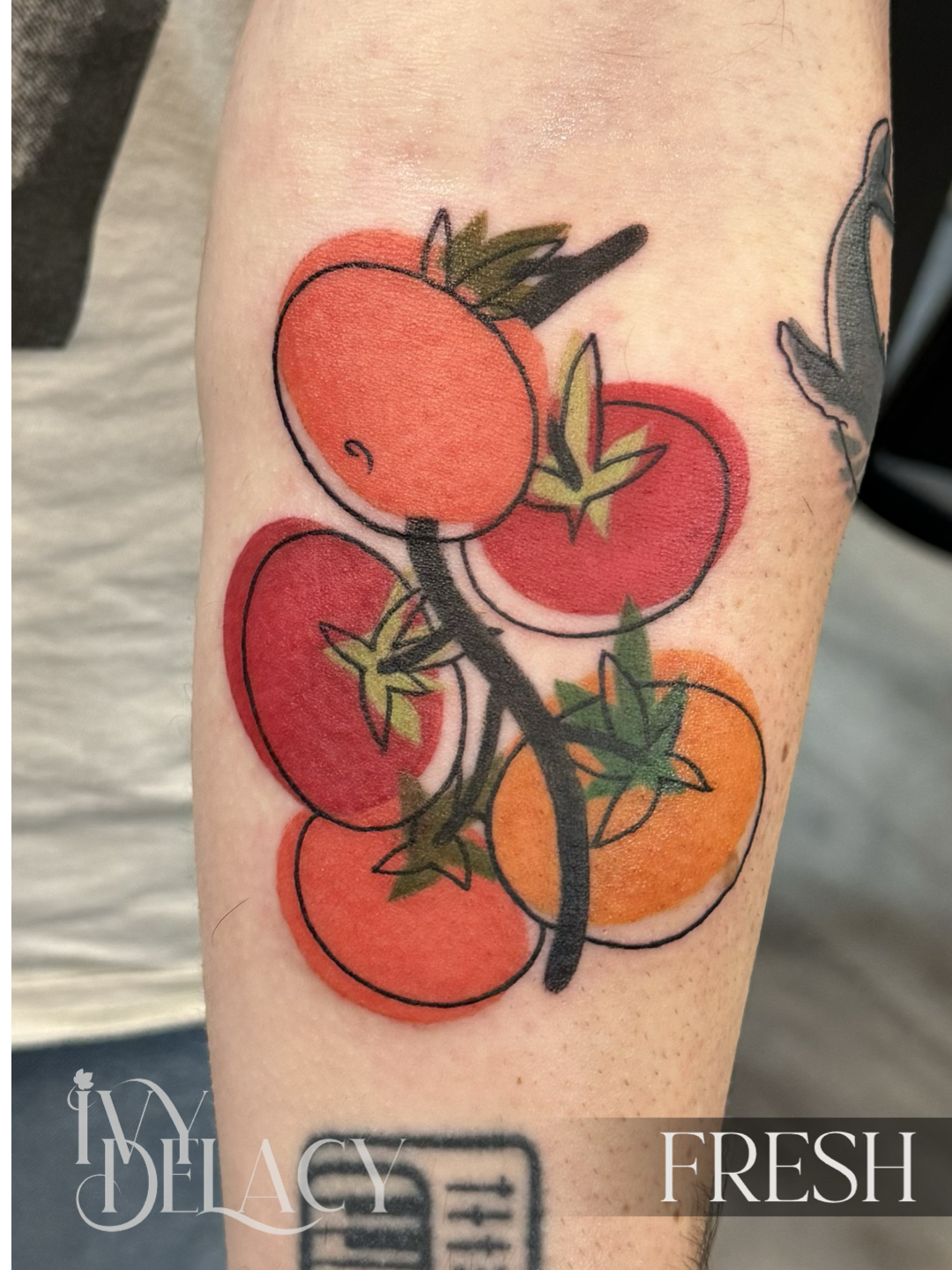
    An evolution of the historical art style popularized in the 1950s, MCM features heavily stylized imagery consisting of bold, blocky colors and funky abstract forms.

    MCM uses a specific palette featuring colors that were available to CMYK dot matrix printing methods of the era—which is where the “misaligned color” trait originates!

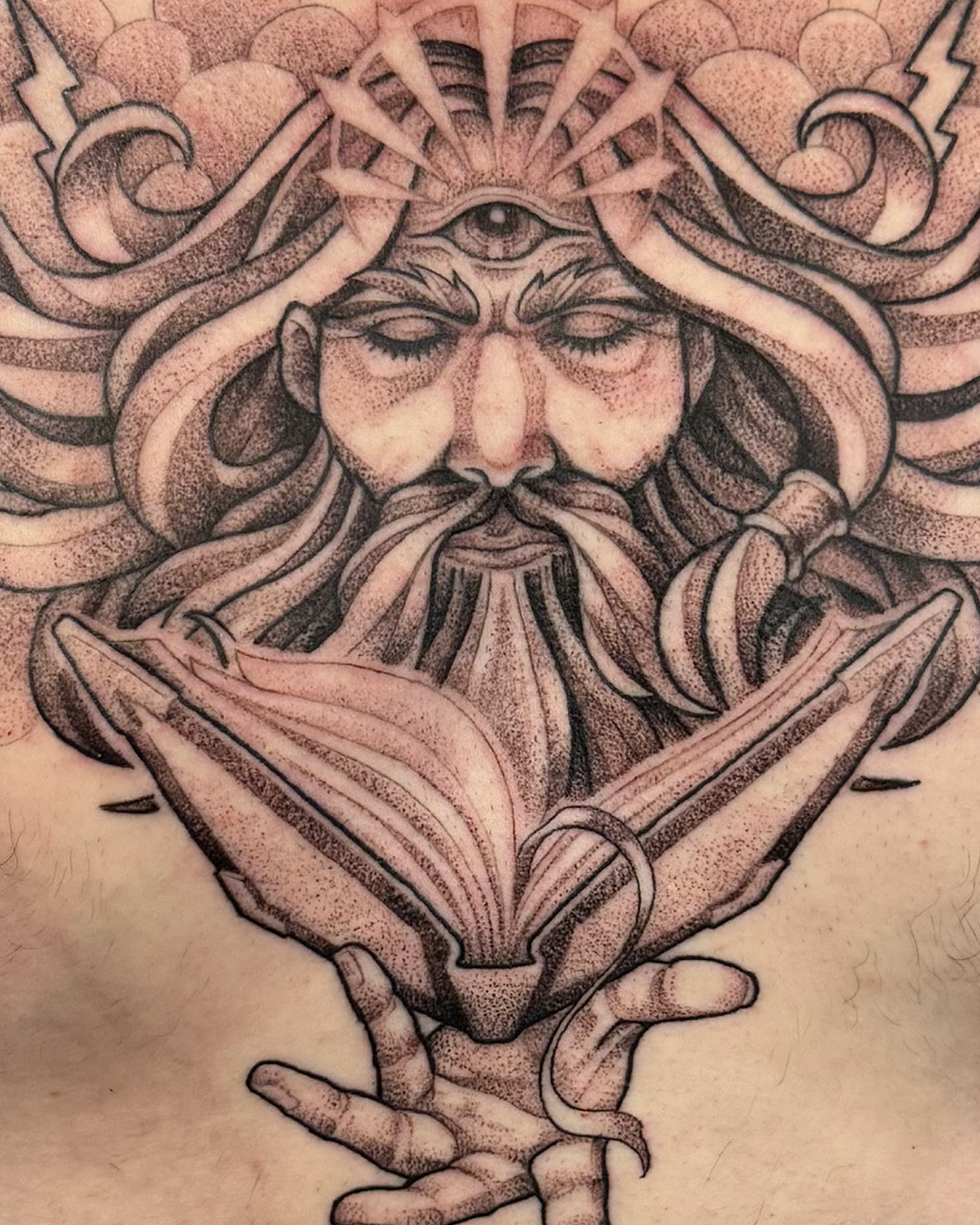
  • Stipple

    Honorable mention: stipple is a method of shading that uses dotwork to create a soft, textured look. While not a full style on its own, this method can be applied to many different tattoo styles and looks particularly good with illustrative designs.